
Villa Thuret, Cap d'Antibes: the botanical garden that shaped the gardens of the French Riviera
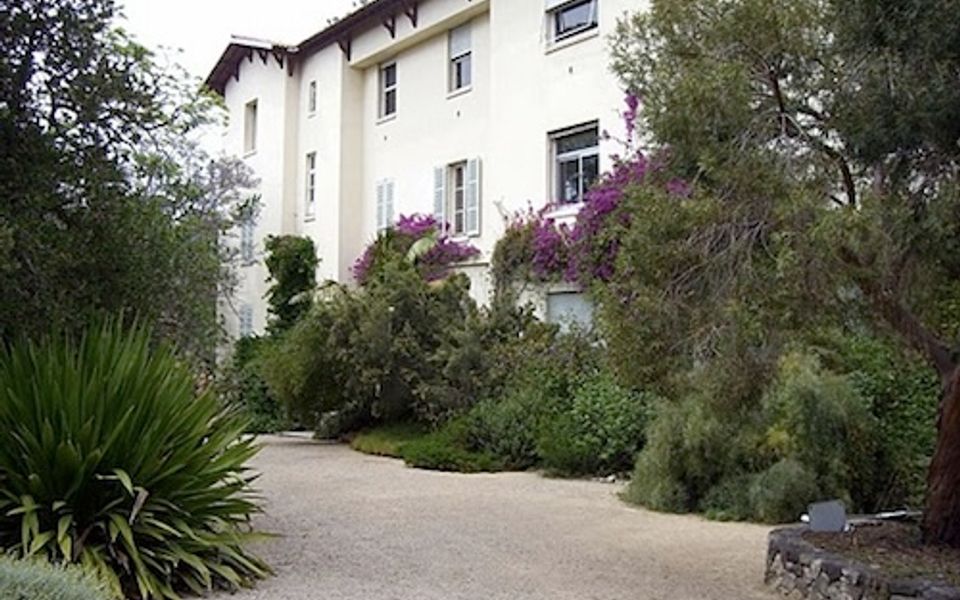
In the heart of the Cap d'Antibes, the Villa Thuret and its botanical garden are among the most important historic sites of the French Riviera. Created in 1857, the garden introduced thousands of exotic plants to the Côte d'Azur. Many of the palms, trees and flowering plants that give the Riviera's villas and gardens their character today were first grown here.
Gustave Thuret and the Cap d'Antibes
Gustave Thuret (1817 to 1875) was a French botanist and algologist, best known for his research on the reproduction of algae. In the mid-19th century, he was drawn to the mild climate and wild, unspoilt nature of the Cap d'Antibes.
Wishing to create a botanical garden, he bought a plot of around five hectares in 1857, known as Empel. There he built the house that the people of Antibes soon came to call the Villa Thuret, and set up the first scientific laboratory in Antibes created with private funds.
A garden of plants from around the world
Thanks to his reputation, Thuret built up a wide network of correspondents, who sent him plants and seeds from around the world. He also sourced plants from the great nurseries of Europe. He then tested how well they adapted to the Mediterranean climate of the Cap. Between 1857 and his death in 1875, more than 4,000 species were introduced to the garden.
Advising the great gardens of the Riviera
The garden quickly became famous. Wealthy owners from across the Côte d'Azur, many of them English, came to seek Thuret's advice for their own gardens. He took part in creating many of them, which in turn allowed him to exchange and multiply the seeds and seedlings he received.
The most eminent botanists of the time visited him, as did many well-known figures. In 1868, the writer George Sand described it as the most beautiful garden she had seen in her life.
From private garden to national heritage
After Thuret's death, his friend and collaborator Édouard Bornet, known for the first classification of lichens, continued his work. The villa and its garden were then donated to the French State by Louise Fould, widow of Gustave Thuret's brother Henri. The donation was made on condition that the garden always remain attached to a research institution.
The botanist Charles Naudin was appointed director. In 1899 he was succeeded by Georges Poirault (1858 to 1936), who looked after the garden with passion until his death, while also serving as president of the municipal committee of Antibes. The work of Thuret, Bornet, Naudin and Poirault contributed greatly to shaping the landscape of the Côte d'Azur as it is today.
The garden today
In 1927, the garden came under the authority of the Institut des recherches agronomiques, which became INRA in 1946, and INRAE in 2020. A research centre was later established nearby, before moving to Sophia Antipolis in 2004.
Today, the Jardin botanique de la Villa Thuret covers 3.5 hectares on the Chemin Raymond. It is both a historic botanical garden and an experimental arboretum, with around 2,500 trees and shrubs representing some 1,600 species, mostly exotic plants from Mediterranean and warm temperate climates. Its winding paths follow the layout of 19th-century Riviera gardens. The garden holds the Jardin remarquable label and is open to the public on weekdays, with free entry for individual visitors.
Living on the Cap d'Antibes
The Villa Thuret is one of the reasons the Cap d'Antibes is known for its lush, green setting. Many villas on the Cap are surrounded by mature gardens of pines, palms and Mediterranean plants, some of which descend from the species first introduced here. Combined with its beaches, coastal path and proximity to Antibes and Juan-les-Pins, this makes the Cap d'Antibes one of the most sought-after places on the French Riviera to rent or buy a villa.