
Villa Les Cèdres: The Story Behind Cap Ferrat's Most Famous Estate
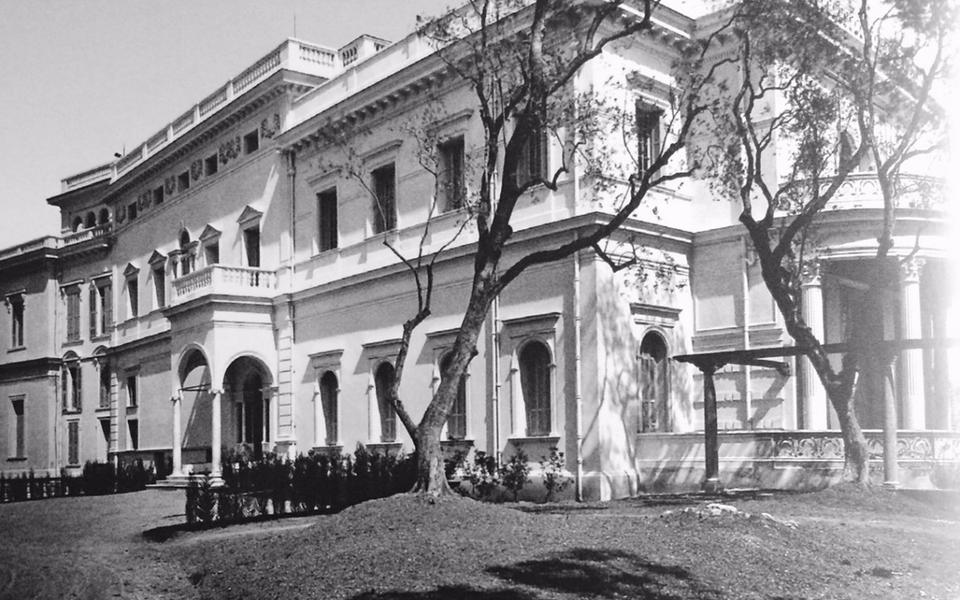
A landmark on the Cap Ferrat peninsula
Villa Les Cèdres sits on the Saint-Jean-Cap-Ferrat peninsula, on the Avenue Denis Séméria, between Nice and Monaco. It is one of the most talked-about properties on the French Riviera, known equally for its architecture, its 14-hectare botanical garden and the string of owners who have shaped it since the nineteenth century. The house takes its name from the cedar trees planted on the estate.
From olive farm to royal residence
The villa was built in 1830 on land that had previously been farmed for olives. In 1850, it was bought by Désiré Pollonais, mayor of Villefranche-sur-Mer, whose family held it for over half a century. In 1904, the Pollonais heirs sold the property, together with its fourteen hectares of grounds, to King Leopold II of Belgium, who invested heavily in the gardens during his ownership. Leopold died in 1909, and the estate changed hands again fifteen years later.
The Marnier-Lapostolle era and the birth of a botanical icon
In 1924, Villa Les Cèdres was bought by Alexandre Marnier-Lapostolle, of the family behind the Grand Marnier liqueur. It was under his stewardship, and later that of his son Julien, that the grounds were transformed into one of the great botanical collections of Europe: an arboretum, a palm grove, and 25 heated greenhouses gradually built up to house thousands of species gathered from Africa, Latin America, Asia and Oceania. The garden's collection is estimated today at well over 10,000 species, including rare palms, cycads, succulents, bamboos and tropical trees, and it has been ranked among the world's leading botanical gardens. Its heritage value was formally recognised in 2008, when it was listed as a French national heritage site, and again in 2021, when the park, greenhouses, statuary and the estate's Saint-François-de-Sales chapel received further historic monument protection. The Marnier-Lapostolle family remained in residence for almost a century.
The house and its gardens today
The main house covers roughly 1,700 square metres of living space, set within the wider 14-hectare park. Reported room counts vary between sources, but the property is generally described as offering around a dozen bedrooms, along with a chapel, stables, and a large swimming pool built into the rocks of the grounds. The gardens remain the estate's defining feature: formal parterres, historic terraces and ponds sit alongside the botanical collection, all sustained by the peninsula's mild microclimate.
Few people have seen inside Les Cèdres. In 2017, Bloomberg Businessweek was given access to the villa and published a photo feature: Look Inside the Most Expensive House on Earth.
A record-breaking sale
Villa Les Cèdres passed to the Italian drinks group Campari in 2016, as part of its acquisition of the Grand Marnier group's assets. It was placed on the market shortly afterwards and, in 2019, sold to an undisclosed private buyer for a price reported at around €200 million — one of the highest prices ever recorded for a private residence, and part of the reason the villa is so often described as one of the most expensive houses in the world.
Life around Villa Les Cèdres
Saint-Jean-Cap-Ferrat grew from a modest fishing village into one of the Riviera's most exclusive addresses in the early twentieth century, as grand estates such as Villa Ephrussi de Rothschild and Villa La Mauresque were built alongside it. Today the peninsula combines quiet, pine-lined coastal paths — around eight kilometres of them circling the cape — with a small but lively port lined with cafés and restaurants. Several beaches, including Passable and the Plage du Port, sit within easy reach, alongside the yacht harbour that gives the village its year-round rhythm. It is this combination of privacy, natural beauty and proximity to Nice and Monaco that continues to draw those seeking a home on this stretch of coast.